Girl Scouts Take Action: Fallon Troop Champions Mental Wellness Through Silver Award Project
Is it the journey or the destination? Some may argue that both are the goal. However, the ultimate blessing may be if either can benefit for the greater good. A group of Fallon Middle School (“FMS”) based Girl Scouts invited us to follow their excursion towards accomplishing an important goal of their own. One of the highest achievements to earn in Girl Scouting is the Silver Award. Basic eligibility entails specific requirements. Some of these include being enrolled in the sixth, seventh or eighth grade, attaining the rank of Girl Scout Cadette and having completed the Bronze Award or Cadette Journey.
In addition, this can be either a singular or group effort. Four members of Troop 31857 elected to band together and pursue this noble task. The Award team consisted of Lara Shah, Aarna Patel, Ahaana Shastri and Supriti Shankar. The process includes many steps. However, the key factors include exploring one’s community to identify issues that are prevalent and to choose a project that can have lasting change. A plan must then be executed, and the team must not neglect to both share and celebrate their journey.
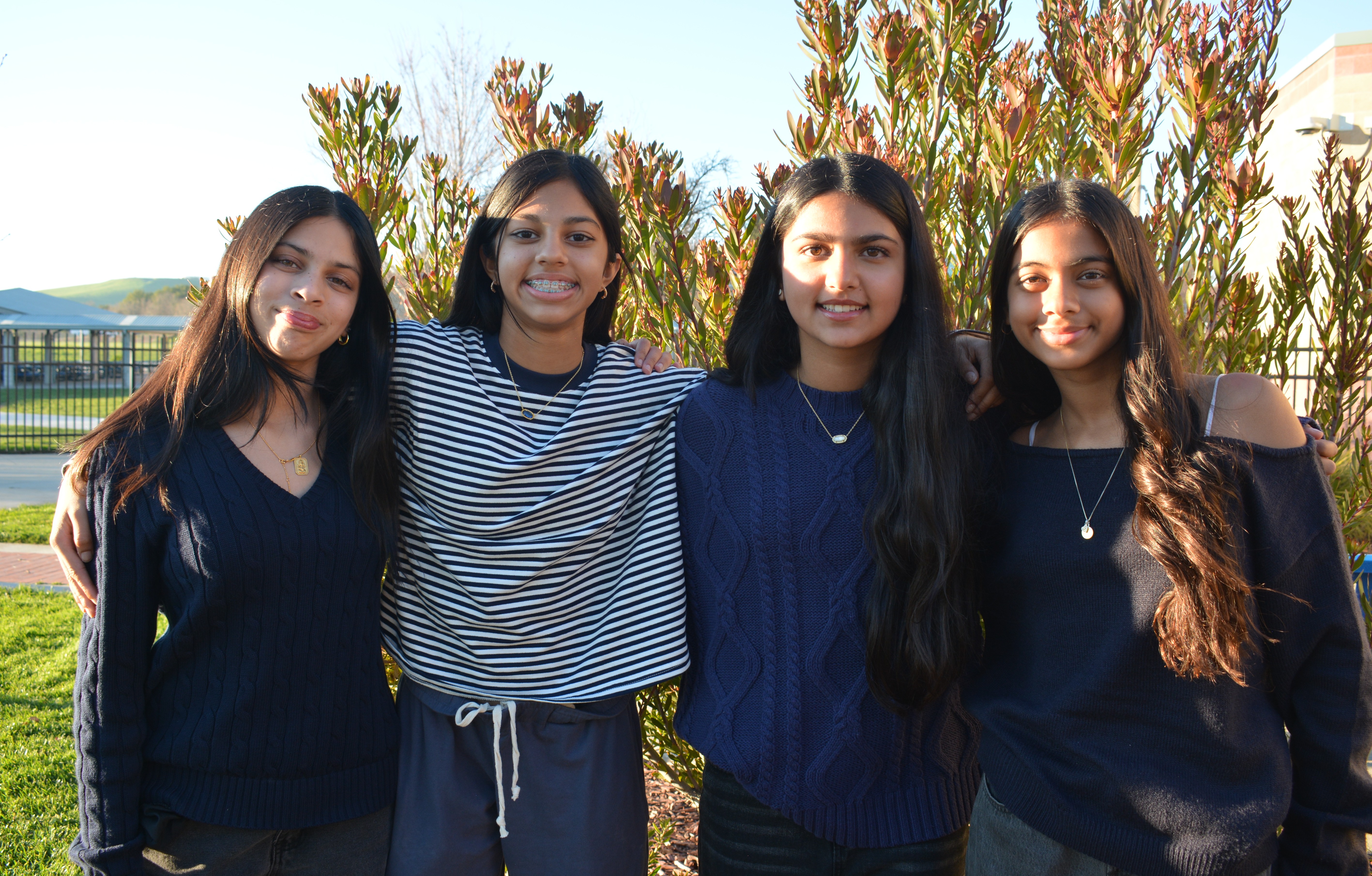
We were invited by the troop’s leader, Dr. Amita Shah, to the Fallon campus earlier this year. After meeting with the Silver Award team, we discussed the genesis of their pursuit and how they arrived at their “road map”. The scouts agreed that all aspects of mental health were pervasive among their peers at FMS. Some of these issues included impacts from pressures to succeed, social media, bullying and some environmental factors that are often not within one’s control. The first and most basic step is to know that support may be found at levels that are welcome and accessible. With this in mind, the group launched a Mental Well-Being Club in the 2025-26 school year. The club met informally, yet consistently and the group began to grow. Their efforts expanded to include offering resources to Safari Kids Club where they employed role playing scenarios to heighten engagement.
Sixth grade core teacher, Rachael Guinther, functioned as the club advisor and helped them to navigate their path as a viable organization that was open to all. This led the team to then introduce concepts that could be incorporated into the Counseling Department with the aid of counselor Liz Buckley. As the team began to gain even more traction, they were also invited to collaborate with Dublin High School’s “Her Mind” club. So, the Silver Award Project continued to evolve and take on additional aspects. To appreciate their journey, we reached out to these young ladies to gain their insights and to let them articulate the dimensions and potential benefits for the Fallon student community. In true cooperative fashion, the members agreed to answer our queries not as individuals, but as a squad. So, let’s hear from Lara, Aarna, Ahaana and Supriti:
OneDublin.org: Please explain why it was important to form a Mental Well-Being Club for girls at FMS as a part of this project. Why are the club and project important to each other?
Team: “To start off, the project— the Girl Scouts Silver Award— is a big leadership project. To earn it, you have to spend at least 50 hours researching a real problem you care about, designing a solution, and making sure it creates a lasting impact in your community. This process has helped us build leadership, teamwork, and problem-solving skills—and it gives us more of an entrepreneurial mindset because we have to plan, create, and improve something in our community!
When we started to think about what problem we wanted to work in our community, we started talking about problems we deal with on a day-to-day basis. We realized that many of us at Fallon Middle School were dealing with mental health challenges and academic stress. We started the Mental Well-Being Club for girls, so girls could have a safe place to talk about what’s really bothering them, like cancel culture, social media drama, peer pressure, gossip, and friendship problems. In the club, we use real examples from everyday life and show what someone can do if those situations happen to them.
When we completed our Girl Scouts Journey, which is a smaller Take Action project where we learn about an issue in our community and practice creating solutions, we learned about different types of aggression (physical, verbal, and relational). Through this journey, we realized that relational aggression is the type we see the most—especially among girls. Many of us have experienced things like being left out, rumors spreading, and people suddenly turning on each other. That’s why we wanted the club to teach specific ways to handle gossip and cancel culture. We also learned about different communication styles (assertive, aggressive, and passive), and we knew these were skills our peers could actually use in real life.
The Silver Award project and the mental well-being club are important to each other because the Silver Award requires lasting impact, and the club is how we create it. The project gave us the purpose and structure, and the club gave us a real way to bring it to life at school. The club lets us meet every month to talk about these topics, practice strategies with “what if” scenarios, and check in to see what makes sense and what people still need help with. We can also create our own worksheets so the lessons feel real and relate to what middle schoolers are actually going through. Since our project is about mental health, creating a club was the best way to help. The club makes sure girls at Fallon don’t feel alone, and it gives them support and tools to handle tough situations. This matters a lot to us because we’re helping our peers, and we’re learning a lot too! Even if it’s a small difference, it feels really good to know we’re helping make our school a kinder and safer place.”
OneDublin.org: How did the interactive lessons at Safari Kids Club assist in refining the exercises? How did this experience help to develop the role-playing scenarios that you brought forward at Fallon?
Team: “The interactive lessons at Safari Kids Club really helped us improve our exercises and ideas. The lessons focused on different communication styles—aggressive, passive, and assertive—and we learned that the best way to teach them was by acting them out. We used a bag of chips (flaming hot Cheetos!) to show how the same situation can turn out in different ways. For example, when someone gives up their chips passively, they feel annoyed afterward. When they act aggressively, they yell and cause conflict. When they are assertive, they speak up calmly and suggest sharing. This made it easy for kids to understand the differences.
We also showed how cancel culture can happen quickly. In the example, if someone is aggressive and says “Stop!…these are my chips, get your own!”, the rest of the group might decide they are “mean” and stop talking to them. Seeing the full situation play out helped the kids understand how choices and communication styles affect relationships.
After that, we had the students come up with their own “What would you do?” scenarios, like what to say if a friend shows up uninvited or posts an embarrassing photo online. This helped us see which situations kids relate to the most. The experience taught us that interactive activities—like games, role-playing, and group discussions about hypothetical situations—keep people engaged while still teaching important lessons about mental health and communication. Because of Safari Kids Club, we were able to improve our role-playing scenarios for Fallon Middle School. It gave us a clear outline of what works, what to improve, and how to create situations that kids our age actually experience. This helped us make better worksheets and activities that encourage students to talk, practice strategies, and feel more confident handling real-life situations.”
OneDublin.org: Describe the process in approaching Ms. Buckley and the Counseling Department to ensure that the club and its activities would be an asset to the Fallon community. What is the purpose of the digital worksheets?
Team: “We first approached Ms. Guinther because she is the teacher who will be leading the club. Ms. Guinther really cares about social and emotional well-being, so we hoped she would be the adult who could support us and attend meetings with us. After that, we reached out to Ms. Buckley and the Counseling Department because we wanted the Well-Being Club to truly help the Fallon community.
First, we explained what the club would focus on—mental well-being, stress, friendships, communication, and handling things like gossip and cancel culture. Then we asked for Mrs. Buckley’s guidance to make sure our topics and digital worksheets were appropriate, helpful, and matched what students at Fallon actually need. We wanted feedback on our activities, and we also wanted to make sure the club would support the school’s mental health goals. By working closely with Ms. Buckley and the counselors, we made sure the club would be safe, organized, and a positive resource for girls at Fallon.
The purpose of the digital worksheets is to make the lessons and skills from the club last beyond this year. Since the worksheets are digital, they can be easily shared, updated, and reused by future club leaders and students. They also give students a way to practice what they learned during meetings, reflect on their feelings, and use real strategies for coping and communication. We are also making the worksheets available through the counseling office so more students can benefit, even if they can’t attend the club. Also, by posting them on Teachers Pay Teachers, teachers can use them in their classrooms too, which helps spread the impact even further.”
OneDublin.org: Share the team’s extended invitation to collaborate with Dublin High’s “Her Mind” club. What was the purpose of joining forces, and how and why will this support other young women?
Team: “Dublin High’s Her Mind club reached out to us after they found out we had started a mental well-being club for girls at Fallon. They wanted to collaborate because we share the same goal: helping young women feel supported, confident, and not alone.
By joining forces, we were able to combine our reach and resources to do something bigger than we could alone. Together, we organized a women’s hygiene product drive for women in need. Since our club was created through the Girl Scouts Silver Award, giving back to the community is a big part of our purpose, and this was a real way to turn our values into action.
This partnership supports other young women because it shows what it looks like when girls help girls. Hygiene products are a basic need, and not having them can cause stress, embarrassment, and lower confidence. By working together, we were able to help people in a practical way while also encouraging empathy and community service in other students.”
OneDublin.org: Beyond achieving the Silver Award, what type of imprint/benefit does the team hope to leave for future students that may choose to continue the Well Being Club at FMS?
Team: “This project is about more than just earning the Silver Award. Our goal is to make a lasting difference at Fallon Middle School. We hope the Well-Being Club continues even after we leave, so future students can still have a safe, judgment-free space where they feel heard and supported. The club helps girls learn healthy coping skills, build strong friendships, practice good communication, solve conflicts, and support one another. We want future students to feel comfortable talking about real issues and know they are not alone.
We also want to leave behind tools that future students and leaders of the club can use. That’s why we created reflection and learning worksheets that go along with the club lessons. These worksheets help students practice the skills they learn during meetings and think more deeply about the topics. The worksheets will be available through the school counselor’s office, so even students who aren’t in the club can still benefit.
To make the project even more sustainable, we are partnering with Social Edge, a social and emotional well-being organization. Through this partnership, our worksheets will be available for free to teachers on Teachers Pay Teachers. This means our work can help students not only at Fallon, but also at other schools across the country. Overall, we hope future students continue the club, use these resources, and keep building a kinder, more supportive school community.”
To complete our profile, we invited Fallon Middle School counselor Liz Buckley to offer her thoughts on working with and supporting this team. As the Silver Award project continues to grow, Ms. Buckley will serve as the conduit to the Fallon counseling team with the goal of incorporating some of the tools developed in the project.
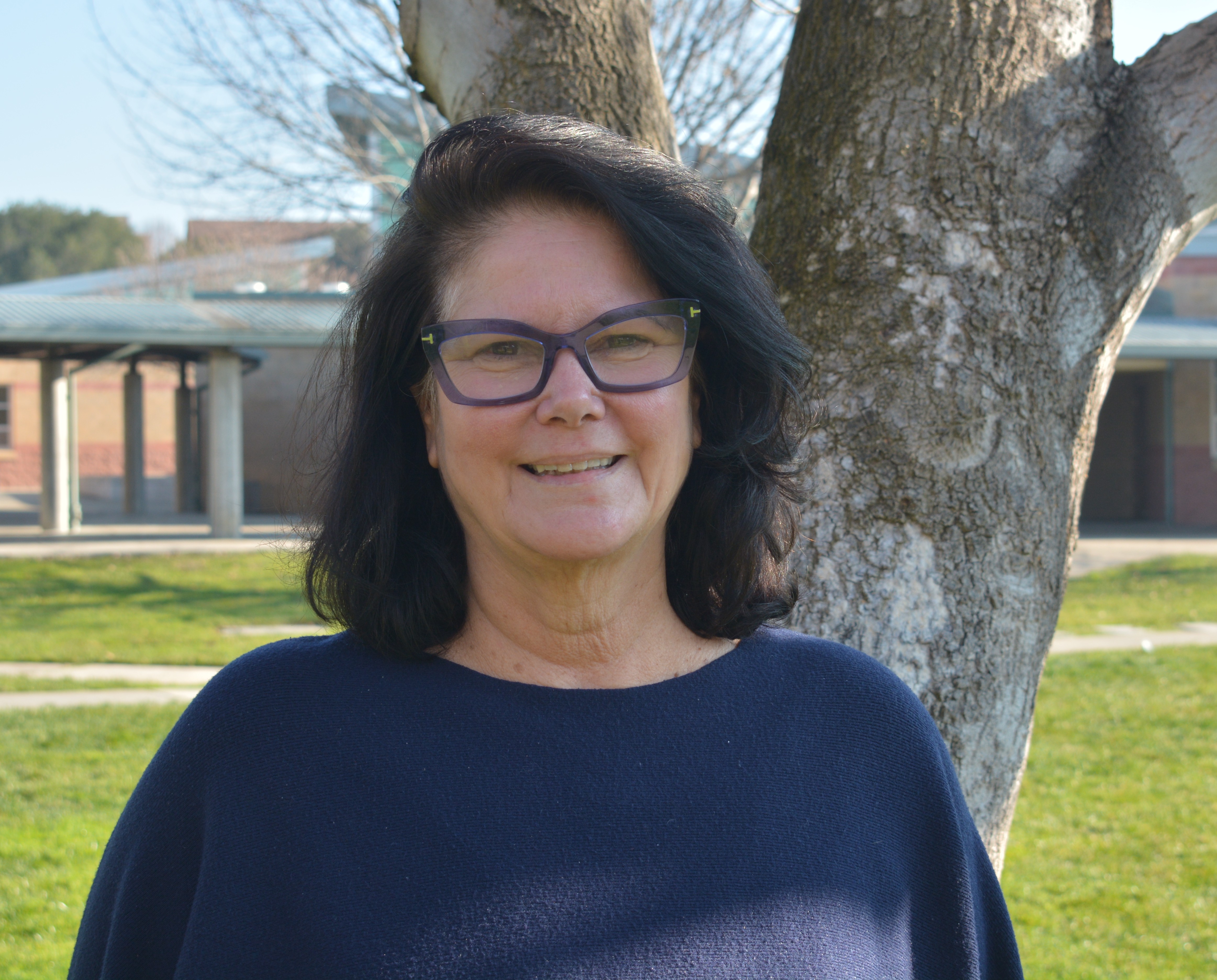
OneDublin.org: What were your impressions of the GS project that was proposed and your feedback on what the scouts have accomplished?
Liz Buckley: “From the start, I was impressed with their drive and creativity. Projects inevitably change from their initial concept and it helped that the group was very organized right from the beginning.”
OneDublin.org: What are your hopes for the project they have delivered for Fallon and does the club help to serve the needs of the FMS community?
Liz Buckley: “Well, three of the members will be eighth graders in the fall so clearly the work can continue. We’ll continue to support them as the club evolves and they choose to develop additional ideas. It is especially gratifying as it serves as a supplement to the coping tools that we have in place. Fortunately, our counseling team gets to witness many positive outcomes.”
So, the Silver Award team hopes to see the fruits of their labor. They developed their plan and put it into action. One of their last steps will be to submit their final report which will include a summarization of their project. We thank the team from Troop 31857 for inviting us along on their journey (and hopefully to the destination!).



Comments are closed.